
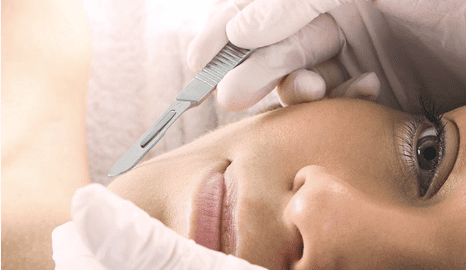
Unlock the secret to a flawless complexion with our comprehensive Dermaplaning qualification! This popular, non-invasive exfoliation technique utilizes a sterile surgical scalpel to gently remove dead skin and fine vellus hair (“peach fuzz”) from the face. Ideal for beauty professionals looking to expand their skill set, this course will teach you the essential methods to create smoother, brighter skin, enhance product absorption, and provide the perfect canvas for makeup application. Join us at Aint Nailz and elevate your beauty career—where radiant skin is just a blade away!
Duration: Approximately 2 Weeks
You need to submit 2 before & after pictures, with completed consultation forms, to get certified as a dermaplaning tech.
Cost: €100 €50. (Limited special offer)
Certification Provided.
Upon obtaining your professional insurance, you will be recognised as a Certified Dermaplaning Technician.
This certification allows you to have your name and business details listed on the Associated Irish Therapists (AIT) website, the largest beauty membership platform in Ireland and the UK.
Enjoy the numerous benefits of being part of this esteemed network.
If you feel you need extra help, you can join an online class. It’s easy! I’m Deborah, and you can contact me: info@aintnailz.ie
Insurance: Insurance is provided by Associated Irish Therapists AIT
The link is: https://abtinsurance.ie/
Contact: Deborah 0877998915 or DM on FB or email: info@aintnailz.ie
Accredited Online Dermaplaning Qualification
On completion of this module, you will have the technical and theoretical knowledge to perform Dermaplaning treatments on paying clients and on yourself.
Lessons
Key Benefits The Importance of Anatomy in Dermaplaning The Importance of Physiology in Dermaplaning Common Side Effects & How to Minimise Risks What to Expect After TreatmentThe IMPORTANCE OF PROFESSIONAL PAPERWORK
Keeping professional paperwork in beauty therapy is fundamental for ensuring client safety, adhering to legal regulations, and protecting the business from liability. Proper documentation, such as client consultation cards, medical history, patch test results, and consent forms, provides a comprehensive, up-to-date record that guides treatment, prevents contraindications, and acts as a crucial defense in the event of insurance claims or disputes.
Lessons
The Importance of Professional Paperwork – Consultation & Contra-Indication The Importance of Professional Paperwork – Disclaimer Form The Importance of Professional Paperwork – Aftercare Advice FormSTEPS FOR THE APPLICATION OF DERMAPLANING
On completion of this module, you have the skills and knowledge to conduct dermaplaning treatments on members of the public safely.
Lessons
Dermaplaning: STEPS 1 – 5 Active ingredients in SerumsWHAT YOU'LL EARN
The beauty industry in Ireland is a major economic contributor, with total turnover for hair and beauty services estimated at E1.44 billion in 2019.
Lessons
What You'll EarnETHICS IN BEAUTY THERAPY
Ethical conduct is the foundational element that enables effective, safe, and trust-based client care in beauty therapy. It suggests that professionalism, integrity, and a moral compass are as crucial to the client’s well-being as the technical skills of the treatment itself.
Lessons
CODE OF ETHICSThe Safety, Health and Welfare at Work Act 2005
The Safety, Health and Welfare at Work Act 2005 (SHWW Act) is Ireland’s main legislation for workplace safety, requiring employers to ensure employee well-being through risk assessments, safety statements, training, and emergency plans, while also placing duties on employees to co-operate and work safely, focusing on prevention, updated duties for all parties (including designers/suppliers), stronger penalties, and covering temporary workers.